Quick answer: You scale without hiring by building AI workflows across three layers: automated intake and sourcing, automated processing and production, and automated delivery. Each layer replaces execution labor with oversight, so one operator can run the throughput of a small team and revenue grows while payroll stays flat.

Get Your Free Workflow Scaling Assessment
Headcount Is the Old Answer to Growth
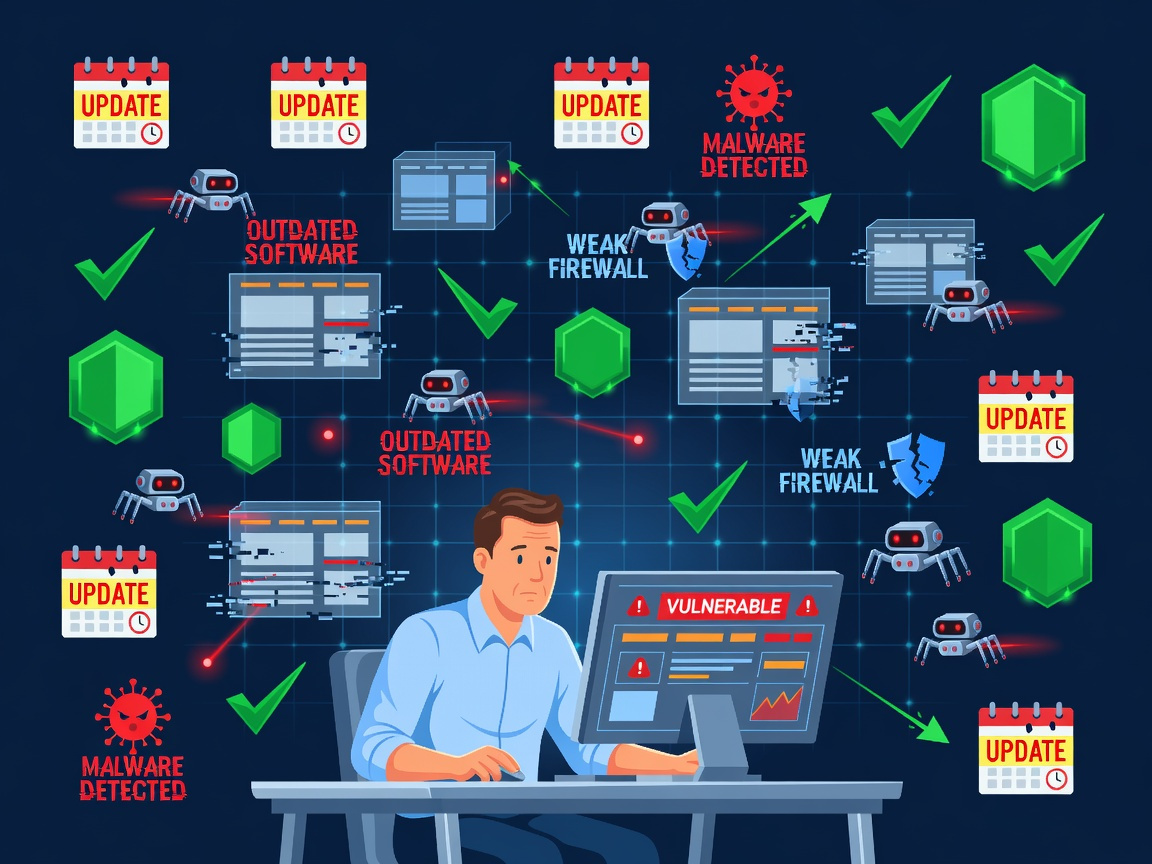
The traditional scaling model is simple and expensive. More clients means more work, more work means more hires, more hires means more salary, benefits, management layers, and risk. Every dollar of new revenue drags a payroll cost behind it, and margins flatten exactly when they should be expanding.
The alternative is to scale throughput instead of bodies. AI workflows let one operator produce the output of a small team, which means revenue can grow while payroll stays flat. We know because this is how our own agency runs, and it is the architecture we install for clients.
The Three-Layer AI Workflow Blueprint
Layer One: Intake and Sourcing
Everything starts with how work and data enter your business. In our shop, lead generation runs on automated scrapers that pull prospect data across entire regions in batch runs, then score each prospect against criteria like website quality and security configuration. A campaign that would take a researcher a full week happens in an afternoon, and the output lands pre-sorted by priority tier. Nobody was hired to do this. A script does it, and one person reviews the results.
Layer Two: Processing and Production
This is where most of the labor savings live. Content production is a good example. We run document generation pipelines built in Node.js that take structured briefs and compliance rules as input and produce formatted, publication-ready files as output. When a client account has strict editorial rules, no pricing mentions, specific linking policies, banned phrasing, those rules live in the pipeline itself, so every piece that comes out is compliant by construction instead of by a reviewer catching mistakes. One content lead can run production volume that used to require a team of writers and an editor.
Layer Three: Delivery and Follow-Through
The final layer pushes finished work to its destination without manual handling. Enriched lead lists flow directly into the dialer platform our sales callers use. Web mockups deploy to live preview URLs that prospects can click before a sales conversation ever happens. Reports format themselves. The handoff friction between produce and deliver, which silently eats hours in most businesses, drops to near zero. The same logic applies to your funnel itself, which we break down in our guide on conversion optimization for 2026.
What This Looks Like in Practice
Picture a five-person service business doing the revenue of a fifteen-person firm. That is the realistic shape of this model. The five people are not working harder. They are working at the oversight level, reviewing pipeline output, handling exceptions, and spending their hours on judgment calls and client relationships, the things machines genuinely cannot do.
The financial profile changes accordingly. Gross margin expands because cost of delivery stops scaling with volume. The business becomes more durable too, because institutional knowledge lives in documented systems instead of in the heads of employees who might leave.
Start With One Workflow
If the goal behind scaling is simply more customers, pair this blueprint with our complete guide on how to get more customers in 2026.
You do not need a company-wide transformation to capture this. Pick the single workflow that consumes the most repeatable hours in your business and turn it into your first AI workflow, automated end to end. Measure the hours recovered. Then move to the next one. We help businesses run exactly that sequence, and the first pipeline usually pays for the entire engagement. Reach out and we will show you where to start.
Find Out What One Pipeline Could Do for Your Business. Talk to Us
Frequently Asked Questions
Can a small team really handle enterprise-level output with AI workflows?
Yes, when the workflows are built in layers. A five-person team running automated intake, production, and delivery pipelines can realistically handle the throughput of a team two to three times its size, because human hours go to oversight instead of execution.
What is the difference between buying AI tools and building AI workflows?
A tool is a single subscription that still needs a human to operate it. A workflow connects your data sources, processing logic, and destination platforms into a chain that runs end to end. The workflow is where the headcount savings actually come from.
How long does it take to build an AI workflow for a business?
A single well-scoped pipeline typically takes two to four weeks to build, document, and stabilize. The recommended approach is one workflow at a time, with 30 days of reliable operation before starting the next.